Expertise, news and insights from the world of legal advice, tax consulting and corporate management.
The virtual data room is more than a document archive -- it is the trust architecture of every M&A transaction. Security standards, AI-powered analysis, and international data transfers determine transaction success.
Browse our collection of expert articles, news and insights.
In an asset deal, IT contracts do not automatically transfer to the buyer. Software licences, SaaS agreements, and cloud services require individual review and counterparty consent -- a risk frequently underestimated in due diligence.
Since July 2023, companies with 50 or more employees must operate an internal reporting channel. We explain the technical requirements of the HinSchG, the data protection framework and compare common software solutions.
Email accounts, cryptocurrencies, cloud storage, streaming subscriptions -- the digital estate is frequently overlooked in estate planning. We explain the legal position following the BGH Facebook ruling and provide a practical checklist.
Artificial intelligence promises more efficient ESG reporting, but between automated data collection and AI-generated sustainability reports lurk greenwashing risks and audit obligations. We analyse the opportunities, limitations and legal requirements.
Open source software is embedded in virtually every enterprise product, yet few understand the associated license risks. From the GPL copyleft effect and SBOM obligations under the EU Cyber Resilience Act to M&A due diligence, we explain what matters in OSS compliance.
The NIS-2 Directive drastically expands cybersecurity obligations: around 30,000 companies in Germany are affected -- many do not yet know it. Learn which sectors are covered, what security requirements apply, how personal liability for directors works and how to prepare with a compliance roadmap.
AI systems process personal data on a massive scale -- but when does a Data Protection Impact Assessment under Art. 35 GDPR become mandatory? Learn which high-risk scenarios trigger a DPIA, how to apply the German DPA blacklist and how to carry out the process methodically.
FinTech companies are subject to a dual regulatory regime: banking supervision and insolvency law apply simultaneously but do not always mesh smoothly. From BaFin licensing through the SAG to the InsO, we outline the unique challenges of FinTech restructuring.
In restructuring, communication determines success or failure. Digital tools are fundamentally changing stakeholder management -- but the legal limits from ad-hoc disclosure to works council law are tighter than many think. A practical guide.
When legacy ERP systems become a cost trap, migration can become a restructuring measure. We analyse the risks of system changes during a crisis, contractual pitfalls in licence and implementation agreements, and show how a structured migration path succeeds even under budget pressure.
Geopolitical conflicts, ESG violations and supplier insolvencies can paralyse supply chains overnight. We show how AI-powered early warning systems detect risks in real time, why the LkSG and EU CSDDD effectively mandate digital risk monitoring, and how mid-sized companies can make their supply chains crisis-proof on a manageable budget.
In corporate sales from insolvency, every hour counts. Learn how virtual data rooms and AI-powered due diligence accelerate the distressed M&A process -- and which legal pitfalls under § 160 InsO, § 25 HGB and W&I insurance need to be navigated.
The traditional going concern assessment reaches its limits in volatile markets. Learn how machine learning is revolutionising cash flow projections, scenario analyses and early warning systems -- and which legal requirements under IDW S11, § 252 HGB and § 19 InsO apply.
The PropTech sector is experiencing a consolidation phase marked by high-profile failures. From Purplebricks' sale for one pound to McMakler's fight for survival -- we analyse the vulnerabilities of digital real estate business models, regulatory requirements under Section 34c of the German Trade Regulation Act and restructuring options for PropTech companies.
Artificial intelligence is fundamentally changing restructuring advisory. From automated financial analysis to scenario modelling and accelerated due diligence -- we show how AI tools can support the IDW S6 process, where their limits lie and why the human element in crisis management remains irreplaceable.
Blockchain technology and smart contracts could revolutionise restructuring practice: from automated escrow accounts to transparent creditor voting and programmable distribution waterfalls. An analysis of opportunities, legal frameworks, and practical limitations.
Digital business models pose unique challenges for valuators in distress situations: negative earnings, intangible assets, and high growth expectations do not fit traditional valuation frameworks. An overview of methods, standards, and practical approaches.
Tech startups fail with alarming regularity. But behind the statistics lie patterns highly relevant to restructuring professionals: from burn rate to founder conflicts to the missed pivot.
What happens to cloud data when a company becomes insolvent? Between § 103 InsO, the GDPR and the EU Data Act, complex questions arise about data security, vendor lock-in and contractual exit strategies.
Since the StaRUG, directors are legally obliged to detect crises early. Predictive analytics and AI enable the identification of insolvency risks well in advance – often months before traditional KPIs raise the alarm.
Cyberattacks can push companies into insolvency within hours. When does a ransomware attack trigger the obligation to file for insolvency under § 15a InsO – and how can directors protect themselves from personal liability?
What happens to software licenses when a company becomes insolvent? § 103 InsO, cloud contracts, escrow agreements, and BGH case law — a practical guide for managing directors and restructuring professionals.
Digital transformation is not an end in itself — but a powerful restructuring lever. How process automation, digital sales channels, and data-driven decisions integrate into IDW S6 restructuring concepts.
The line between freelancing and disguised employment is thin — with severe consequences: back payments, criminal liability and reputational damage. Learn how to structure your contracts in a legally secure way.
Tax authorities increasingly rely on AI, IDEA software and statistical analysis methods like Benford's law. Learn how to prepare for a digital tax audit and protect your rights.
Software-as-a-Service and VAT: § 3a UStG determines the place of supply, but practice is complex. We explain B2B, B2C, reverse charge and the One-Stop-Shop.
Robotic Process Automation is revolutionising tax advisory: which processes can be automated, which tools are ready for practice, and where does the human element remain indispensable?
Tax Compliance Management Systems are becoming essential for mid-sized companies. IDW PS 980, the BMF letter on § 153 AO, and the EGAO pilot phase create new incentives -- and risks for companies without a system.
When does cloud infrastructure create a permanent establishment for tax purposes? The distinction between § 12 AO, OECD Model Convention Art. 5 and the reality of cloud services raises critical questions for internationally active companies.
Since January 1, 2025, e-invoicing is mandatory for B2B transactions in Germany. ZUGFeRD, XRechnung, transition periods, and practical implementation -- what businesses need to know now.
Claiming cryptocurrency losses for tax purposes in Germany: BMF guidance, Section 23 EStG, holding periods, staking, DeFi, and NFTs -- a guide for tax filing.
Artificial intelligence can detect irregularities in accounting and procurement before they cause damage. But how do companies reconcile compliance duties with data protection and employee rights?
Criminals are using AI-generated voices and videos to impersonate CEOs and steal millions. What are the legal implications – and how can companies protect themselves?
More and more companies are using AI in the recruitment process -- from pre-screening to video analysis. But what employment law, data protection, and works constitution boundaries apply? A compliance guide for employers.
Can algorithms replace judges? Between promises of efficiency and constitutional limits: how automated decision-making systems are transforming the judiciary and why Art. 101 of the German Basic Law sets strict boundaries for the digital judge.
The EU AI Act classifies numerous AI systems in law firms and financial companies as high-risk. What does this mean for compliance, risk management, and transparency obligations? An overview of requirements and the timeline through August 2026.
Can an AI be listed as an inventor on a patent? Do AI-generated texts and images enjoy copyright protection? The DABUS decisions worldwide and German law provide clear answers – with far-reaching consequences for businesses.
Artificial intelligence is revolutionizing contract drafting and review. But what legal pitfalls lurk when algorithms analyze, draft, and review contracts? An overview of opportunities, risks, and the regulatory framework for SMEs.
Fabricated rulings, fictitious statutes, hallucinated precedents: when lawyers adopt AI-generated legal advice without verification, sanctions and client damages loom. An analysis of the risks, professional duties, and lessons from spectacular failures.
The German Anti-Money Laundering Act (GwG) imposes significant compliance requirements on mid-sized companies as well. From risk analysis to beneficial owner identification to suspicious activity reporting -- we explain the obligations and provide practical implementation guidance.
When business owners divorce, the company valuation becomes the central point of contention. We explain the legal foundations of the equalization of gains, common valuation methods, and how costly disputes can be avoided through forward-looking prenuptial agreements.
ESG risks can significantly impact the value of a transaction. Environmental liabilities, social risks, and governance deficiencies must be systematically assessed in the M&A process. We show how to conduct a professional ESG due diligence.
The operational split (Betriebsaufspaltung) is one of the most practically relevant yet high-risk constructs in German tax law. Those who fail to understand the requirements of material and personal interconnection risk substantial tax liabilities. We explain what matters.
The compulsory share claim secures close relatives a minimum participation in the estate -- even against the testator's wishes. Learn how the compulsory share is calculated, what role the supplementary compulsory share plays and what planning options are available to testators and beneficiaries.
The tax valuation of real estate significantly determines the amount of inheritance and gift tax, real estate transfer tax and property tax. Learn which valuation methods the BewG provides, when a valuation report pays off and which recent BFH rulings are changing valuation practice.
GDPR fines continue to rise -- and supervisory authorities are focusing on new priorities. Learn which violations were most frequently sanctioned in 2025/2026, how Art. 83 GDPR is applied in practice and what measures can protect your organisation from severe penalties.
The StaRUG offers companies in distress a powerful alternative to insolvency. Learn how the restructuring plan works, when a moratorium takes effect, what role the court plays and how the process differs from traditional insolvency proceedings under the InsO.
Home office and mobile working have become a permanent feature of working life. But what employment law obligations do employers face? This article explains the 2026 framework -- from home office agreements to accident insurance.
Inheritance tax can be significantly reduced through the skilful use of allowances, valuation rules and lifetime gift chains. This article explains the key planning opportunities -- from business property relief under sections 13a/13b ErbStG to anticipated succession.
Shareholder disputes can paralyse a GmbH and, in the worst case, threaten its very existence. This article outlines the escalation levels from mediation to exclusion proceedings and explains the available legal options.
Artificial intelligence is fundamentally transforming accounting. From automated document capture to anomaly detection and DATEV integration -- what opportunities does AI offer, and where are its limits?
Advance directives and powers of attorney are among the most important precautionary instruments -- yet they are frequently drafted incorrectly or incompletely. This article explains the legal framework under § 1827 BGB, provides practical drafting guidance and highlights the most common mistakes.
From 1 January 2025, all domestic businesses are required to be able to receive electronic invoices in a structured format. The obligation to issue e-invoices will be phased in. This article explains the new requirements under § 14 UStG, the common formats XRechnung and ZUGFeRD, and practical implementation.
Early-stage financing raises key legal and commercial questions for founders. From SAFE agreements and convertible notes to the Series A term sheet: this article explains the financing stages, typical contractual frameworks and offers practical guidance on dilution, investor rights and cap tables.
The real estate transfer tax on share deals was fundamentally reformed from 2025. The new thresholds and supplementary provisions in § 1(2a), (2b), (3) and (3a) GrEStG require careful structuring of share transfers. This article explains the changes and outlines remaining structuring options.
An effective compliance management system protects companies against legal violations and reputational damage. Learn how mid-sized companies build a CMS according to IDW PS 980 and the role of risk analysis, compliance culture and whistleblower protection.
Tax audits are becoming increasingly digital. Learn which data analysis tools the tax authorities use, what GDPdU and GoBD mean, and how to optimally prepare for a digital audit.
The choice between a share deal and an asset deal has significant tax consequences for both buyer and seller. We explain the differences, analyse § 8b KStG and § 16 EStG, and provide practical decision-making guidance.
Senior employees occupy a special position under German dismissal protection law. Learn about the particularities of § 14 KSchG, when dissolution applications are possible and how severance payments are negotiated.
The secondment of employees abroad raises complex tax and social security questions. From the 183-day rule to A1 certificates and permanent establishment risks — a practice-oriented overview for employers.
An asset-managing GmbH can offer considerable tax advantages for real estate investments. However, it is not worthwhile in every case. This article analyses the tax framework, risks, and practical decision criteria.
The CSRD obliges an increasing number of companies to produce comprehensive sustainability reports. Learn how to conduct the double materiality assessment, which ESRS standards apply and what a realistic project plan for implementation looks like.
Parental leave presents employers with a range of legal challenges — from application deadlines and dismissal protection to holiday entitlement reduction. This article provides a comprehensive overview of the key obligations and structuring options.
Hidden profit distributions (vGA) are among the most common points of contention between GmbH shareholders and the tax authorities. We explain the key categories, tax consequences, and effective preventive measures.
Majority shareholders hold extensive decision-making power -- yet this power has limits. Learn about the fiduciary duties imposed by corporate law, when abuse of voting rights occurs and how minority shareholders can protect themselves effectively.
The real estate purchase agreement is the most significant legal transaction in most people's lives. We explain the seven most important contract clauses, their significance, and what you as a buyer should pay particular attention to.
Anticipated succession through lifetime gifts is one of the most effective tools in succession planning. When properly structured, personal allowances can be used multiple times and tax liabilities substantially reduced.
The Supply Chain Due Diligence Act (LkSG) does not only affect large corporations. SMEs acting as suppliers must also fulfil due diligence obligations. An overview of duties, risks and practical steps for implementation.
The minimum wage in 2026 brings changes for employment contracts, mini-jobs, and midi-jobs. Learn what employers need to consider regarding documentation obligations, working time recording, and sector-specific minimum wages.
The protective shield proceedings pursuant to § 270d InsO enable companies to restructure under debtor-in-possession management. Learn about the requirements, the procedure and when this option represents the better alternative.
Notarial certification and authentication are frequently confused -- yet these two forms of notarial involvement differ considerably in terms of effort, cost and legal consequences. Learn when each form is required and what consequences the wrong choice may have.
The NIS 2 Directive imposes new cybersecurity obligations on businesses. Learn who is affected, what measures are required, and how managing director liability is structured.
When liquidity becomes tight, every day counts. Learn how to stabilise your cash flow in a crisis using a rolling 13-week plan, targeted working capital management, and negotiation strategies with creditors, while identifying insolvency triggers in good time.
The Düsseldorfer Tabelle 2026 introduces new standard rates and adjusted income brackets. Learn everything about child maintenance, spousal maintenance, the self-retention amount and shortfall calculations.
The managing director agreement governs the rights and obligations of the GmbH managing director. From remuneration to non-compete clauses to severance -- these ten clauses should be known and carefully drafted.
Professional development costs can significantly reduce the tax burden -- whether as income-related expenses or business expenses. This guide shows which costs are deductible, how to navigate the distinction from initial training, and what documentation the tax office expects.
The line between a tax error and criminal tax evasion is often blurred. Learn when intent is established, what role voluntary disclosure plays, and how you should conduct yourself during a tax investigation.
The shareholders' meeting is the central organ of the GmbH. From proper convocation and quorum requirements to the challenge of resolutions — a comprehensive guide for shareholders and managing directors.
Green Bonds, Sustainability-Linked Loans and KfW funding programmes are opening up new financing pathways for mid-sized companies. Learn which sustainable instruments are right for your business and what to consider regarding documentation and taxonomy compliance.
Works council elections present employers with numerous legal challenges. Learn about your obligations, which mistakes can lead to election challenges and how to build a constructive working relationship.
A lasting power of attorney is particularly important for entrepreneurs, because without one, a court-appointed guardianship with far-reaching consequences for the business may be imposed in an emergency. Learn which company-specific provisions you should put in place.
A thorough financial statement analysis helps entrepreneurs accurately assess their company's financial position. Learn about the most important metrics and how to use them for strategic decisions.
The data protection impact assessment pursuant to Art. 35 DSGVO is mandatory for high-risk processing activities. Learn when it applies, how to structure the process and which mistakes to avoid.
Without a prenuptial agreement, a divorce can pose an existential threat to entrepreneurs. The statutory community of accrued gains means that the increase in the company's value may have to be shared equally. We show how smart contractual arrangements can protect your business.
The eIDAS Regulation and the German Trust Services Act establish the framework for electronic signatures. However, not every digital signature carries the same legal effect. We explain the three levels of electronic signatures and show when each form is sufficient.
The transfer of GmbH shares is a highly tax-relevant transaction. Depending on the structuring, tax burdens ranging from under 2 % to over 45 % may arise. We outline the most important optimisation strategies and compare common transfer scenarios.
Employee participation schemes are an effective tool for motivating and retaining key employees. The tax treatment is complex but offers attractive structuring opportunities.
In the event of a transfer of undertaking, employment relationships automatically transfer to the acquirer. What transferors and acquirers need to consider.
Rental income is taxable -- but the tax burden can be significantly reduced through smart planning. We present the most important deductible expenses and optimisation opportunities for landlords.
A general right to work from home does not yet exist in Germany. Nevertheless, the world of work has fundamentally changed. We explain the employment law framework for remote and home office work in 2026 and provide practical recommendations for employers and employees.
German compulsory portion law protects close relatives from complete disinheritance. Learn who is entitled to a compulsory portion, how it is calculated and what planning options estate planning offers.
Business expenses reduce profits and thus the tax burden. However, not everything that appears to be business-related is actually deductible. Our guide clarifies the most important questions.
Entrepreneurs face particular challenges in estate planning. Aligning the articles of association, the will, and tax requirements is crucial for the company's continued existence.
DATEV Unternehmen online is revolutionising the collaboration between client and tax advisor. Our guide shows you step by step how to make optimal use of the platform -- from document upload to automated payment processing.
The property developer contract combines the purchase of land and construction services in a single agreement. The tax treatment involves numerous particularities that buyers and investors should be aware of.
The StaRUG provides companies in crisis with the opportunity to restructure without insolvency proceedings. Learn how the restructuring plan works, what requirements apply and what pitfalls to avoid.
Tax-optimised structuring of managing director remuneration requires careful balancing of salary, benefits in kind, and profit distributions. We highlight the key levers.
A well-drafted employment contract protects employers from risks and creates clear conditions. We explain which clauses are indispensable.
The certificate of inheritance evidences the heir's status and the scope of the right of inheritance. This article explains when a certificate of inheritance is required, how to apply for one, and what alternatives exist.
The line between genuine use of external personnel and bogus self-employment is thin. Learn which criteria are applied by courts and the German Pension Insurance, what consequences a misclassification entails and how to structure your contracts in a legally secure manner.
ESG is no longer a topic reserved for large corporations. Learn how SMEs can strategically leverage environmental, social and governance criteria to improve financing terms, attract talent and secure competitive advantages.
Transferring real estate to the next generation is a common planning objective. However, without careful planning, significant tax disadvantages may arise.
The Wachstumschancengesetz is making electronic invoicing in B2B transactions mandatory in stages. Learn which formats apply, what transitional periods exist, and how to convert your accounting in time.
From choosing the legal form through articles of association and commercial register to funding programmes and employee participation schemes: The comprehensive legal guide for founders in Lower Saxony.
The restructuring concept under IDW S6 is the gold standard for assessing a company's restructuring viability. We explain its structure and contents.
The investment deduction amount pursuant to § 7g EStG enables businesses to bring forward the tax benefit of planned investments. We explain the requirements and show you how to use this instrument to its full potential.
Amendments to the articles of association of a GmbH require notarial certification in many cases. This article provides an overview of the formal requirements and the procedure.
The obligation to appoint a data protection officer affects more businesses than expected. Learn when a DPO is legally required, what qualifications are needed, and whether an internal or external officer is the better choice.
Intra-Community trade harbours tax risks: From VAT to transfer pricing to the permanent establishment trap. Learn what German companies need to watch out for.
German dismissal protection law is complex. We explain the most important rules and typical mistakes that employers should avoid.
The Berliner Testament is the most common form of joint will between spouses. It offers advantages in terms of mutual protection, but also has inheritance and tax disadvantages that should be considered.
Holding real estate through a GmbH can be tax-efficient -- but it does not have to be. We compare the tax implications and show when a real estate GmbH is worthwhile.
At the beginning of 2026, numerous business documents may be destroyed. Learn which retention periods apply, which documents are affected, and what to watch out for.
No automatic entitlement, but often negotiable: learn when you are entitled to severance pay, how to calculate the amount and what tax planning options are available.
The articles of association are the foundation of every GmbH. We explain which clauses are indispensable and what to consider when drafting them.
The choice of legal form has far-reaching tax consequences. Whether sole proprietorship, partnership or corporation -- each legal form brings its own advantages and disadvantages.
The costs of notarial services are regulated by law in the Gerichts- und Notarkostengesetz (GNotKG). This article explains the fee calculation system and provides indicative values for typical notarisations.
Artificial intelligence is fundamentally transforming legal advisory. Learn about the applications available, where the limitations lie and which professional obligations lawyers must observe.
A divorce raises complex questions regarding the division of assets. Learn how the equalisation of accrued gains, pension equalisation, and maintenance claims can be settled with legal certainty.
The CSRD introduces comprehensive sustainability reporting obligations for SMEs. Learn who is affected, which standards apply and how to prepare now.
Even years after the GDPR came into force, many companies make serious data protection mistakes. We present the 15 most common violations and how to remedy them in a legally compliant manner.
Digital transformation is hitting law firms and tax advisory practices at full speed. Learn which tools, strategies, and processes lawyers and tax advisers should adopt now to remain competitive.
A thorough due diligence is the foundation of every successful corporate transaction. We explain the key areas of review and typical risks.
VAT returns are fraught with potential errors. From incorrect tax rates to faulty intra-Community supplies – we highlight the most common mistakes and how to avoid them.
Anyone financing a property will usually encounter the topic of land charges. This article describes what a land charge is, how the notarial registration process works, and what costs arise.
Inheritance and gift tax can create substantial burdens on larger estates. Through forward-looking planning and the use of statutory planning opportunities, the tax burden can be reduced.
Debtor-in-possession proceedings allow insolvent companies to restructure under their own management. We explain the requirements, process and key success factors.
Tax depreciation (AfA) is the most important fiscal instrument for property owners. We explain the various depreciation methods and present optimisation strategies.
The personal liability of a GmbH managing director is far-reaching. We explain the most important liability pitfalls and present strategies for risk minimisation.
Occupational pension schemes offer attractive tax advantages for employers and employees alike. We explain the five implementation routes and their tax characteristics.
A prenuptial agreement allows for individual arrangements regarding the matrimonial property regime, pension equalisation, and maintenance. This article explains what a prenuptial agreement may contain and why notarisation is required by law.
As a GmbH managing director, you have particular tax planning opportunities. From salary structure to pension commitments — we present the most important optimisation approaches.
The Unternehmergesellschaft is a popular starting point, but at some point the conversion to a GmbH is on the agenda. We explain the process and the advantages.
The formation of a GmbH mandatorily requires notarial authentication of the articles of association. This article describes the process from preparation through to registration in the commercial register.
Establishing a foundation makes it possible to permanently dedicate assets to a specific purpose. This article provides an overview of the various foundation types, the establishment process, and the tax framework.
The GmbH & Co. KG as a real estate holding offers significant tax advantages. We explain the structure, the tax mechanisms, and who stands to benefit from this model.
Corporate crises rarely appear overnight. Those who recognise the warning signs can take timely countermeasures and save the company.
Conflicts between shareholders can paralyse a company. We outline the legal instruments available and how escalation can be avoided.
The annual financial statements are more than a legal obligation — they are a valuable management tool. Our checklist helps you prepare your 2025 annual financial statements in a structured and timely manner.
Anyone wishing to arrange their succession faces the choice between a will and an inheritance contract. The two instruments differ in essential respects -- particularly regarding binding effect and the possibility of amendments.
Real estate transfer tax is a significant cost factor when purchasing property. We explain the current tax rates, exemptions and structuring options for 2026.
A power of attorney and a living will govern representation and medical care in the event that a person can no longer make decisions independently. This article explains the content, differences and advantages of notarial authentication.
When selling a business, the central question is: Should the company shares or individual assets be sold? The answer has significant tax consequences.
Business succession is one of the most complex challenges facing entrepreneurs. This article examines the key tax and legal considerations of forward-looking succession planning.
The Corporate Stabilisation and Restructuring Act opens up new paths for companies in crisis to restructure outside of insolvency proceedings.
A tax audit by the revenue office need not be a cause for concern. With proper preparation, you can master the audit confidently and avoid costly back payments.
The GmbH is the most popular corporate form in Germany. We explain the formation process step by step and outline the costs involved.
Purchasing property in Germany requires notarial certification. This article explains the complete process from initial contact to the transfer of ownership in the land register.
A restructuring opinion "based on IDW S6" can become a dangerous liability trap. We analyse the requirements of BGH case law regarding integrated planning, cash flow evidence and the target vision of the restructured company.
Two companies merge into one: The tax consultancy Hagebölling & Oppermann and the compleneo team.
Hagebölling & Oppermann joins the family: Two become one. The tax advisory firm Hagebölling & Oppermann and the compleneo team are merging under the name compleneo Steuerberatungsgesellschaft mbH as of 1 October 2021.
The introductions continue! My name is Doreen, and I have been part of compleneo from the very beginning.
We at compleneo are thrilled to finally present our brand-new fitness room!
With "Gaze 3" by Jideonwor Gabriel Udoka, a new artwork has found its place in our offices.
These artworks from Joan Llaverias' "Pop Geometric" series bring good cheer to one of our offices.
At the beginning of November, we were delighted to welcome Carolin to compleneo.
My name is Kim, I am 26 years old. I have been working for Steffen ever since completing my professional training.
Now it is my turn to introduce myself: My name is Anika, and I have been part of compleneo – as a co-founder – since 1 January 2019.
With our new blog series, we present the artworks that adorn the walls of our Langerfeldt-Haus.
The doctorate is the highest academic degree in Germany.
Since 1 August 2020, Paulina has been part of our team.
For most people, buying or selling a property is a once-in-a-lifetime experience.
A look at the GmbH Act reveals two governing bodies of the GmbH: the management and the shareholders' meeting.
From lone wolf to team player: the transformation of legal work means that project management is becoming increasingly important.
Hello out there! My name is Prinz Loui, but everyone likes to call me Pinschi.
The challenges facing the charitable sector did not begin with the coronavirus pandemic.
Evidence-based management (EbM) is a management approach that cautions against imitating best-practice examples.
In Germany, every person has the capacity to inherit. Minor children can therefore also be heirs.
For many businesses, the coronavirus crisis likely means one thing above all: uncertainty.
The motivation behind a gift is usually multifaceted.
With our new series "compleneo Behind the Scenes", we introduce our team and offer a glimpse behind the curtain.
Few industries have been hit as hard by the coronavirus restrictions as the hotel and restaurant sector.
40 days after Easter we celebrate Ascension Day — at least half of us do.
With the entry into force of the amended Anti-Money Laundering Act, obliged entities are required to report any identified discrepancies.
Anyone who has ever moved knows that a move is not always a joyful experience.
In a business context, one encounters a multitude of definitions when it comes to corporate crises.
Since 1 September 2019, attorney Marvin Barnecki has been strengthening our team in the area of commercial law.
Our colleague Linda Goldmann has successfully completed her qualification as a certified notary specialist (Notarfachwirtin).
I am Annika Ewe, and I am brand new to the compleneo team.
We congratulate Judith Grabowski and Annika Ewe on passing their examination.
The absence of a compliance culture can have far-reaching consequences for foundations and non-profit organisations.
We frequently hear statements like these when coaching individuals through organisational change.
Allow me to introduce myself. My name is Bon, James Bon. And I have no time to die.
On Sunday, 26 May 2019, our team participated in the walk4help event in Braunschweig.
Many people consider the idea of giving something back to the world with their assets.
In March 2020, the next chapter in our company's history begins.
Despite standardised processes, incidents with significant damage potential continue to occur.
Foundations are increasingly focused on maximising their social impact.
Specialist or broad generalist knowledge? This is actually quite a provocative question.
The BaFin summarises the legal position succinctly: anyone wishing to conduct banking business in Germany requires prior authorisation.
Why define successful advisory? As advisors, we ask ourselves how we can measure the quality of our services.
Sending leaders to seminars feels outdated for some companies.
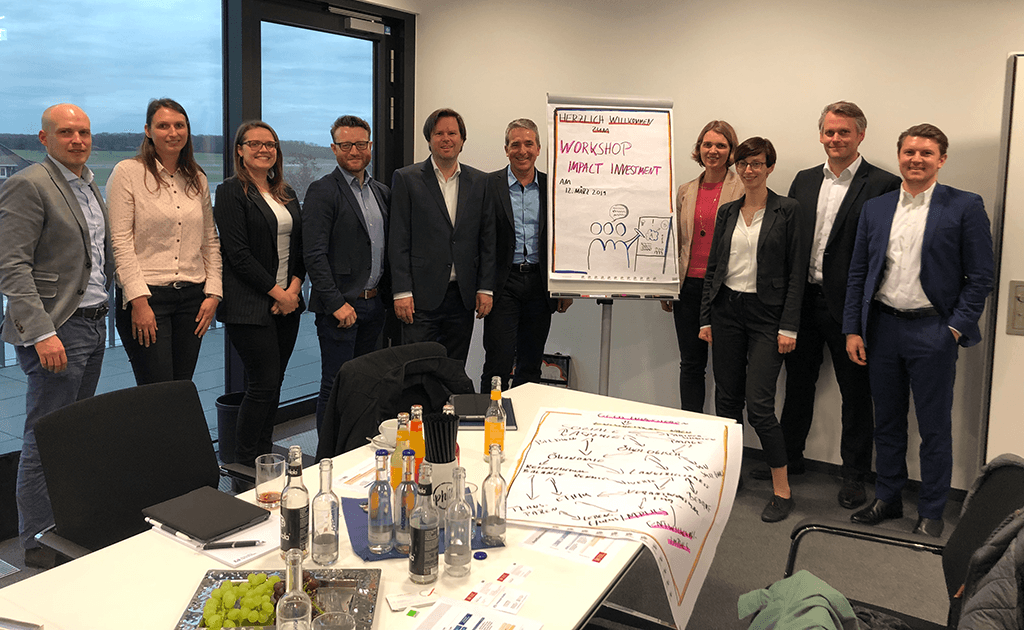
On 12 March 2019, a special collaboration was launched in the Skylounge of the Lilienthalhaus.
compleneo combines professional expertise with process know-how in change management through its complementary consulting approach.
Who is best suited to drive major transformations within organisations?
It is becoming increasingly apparent that companies in Germany can no longer keep pace with the speed of change.